The Demand for Tradeswomen is on the Rise

Adam Yatest
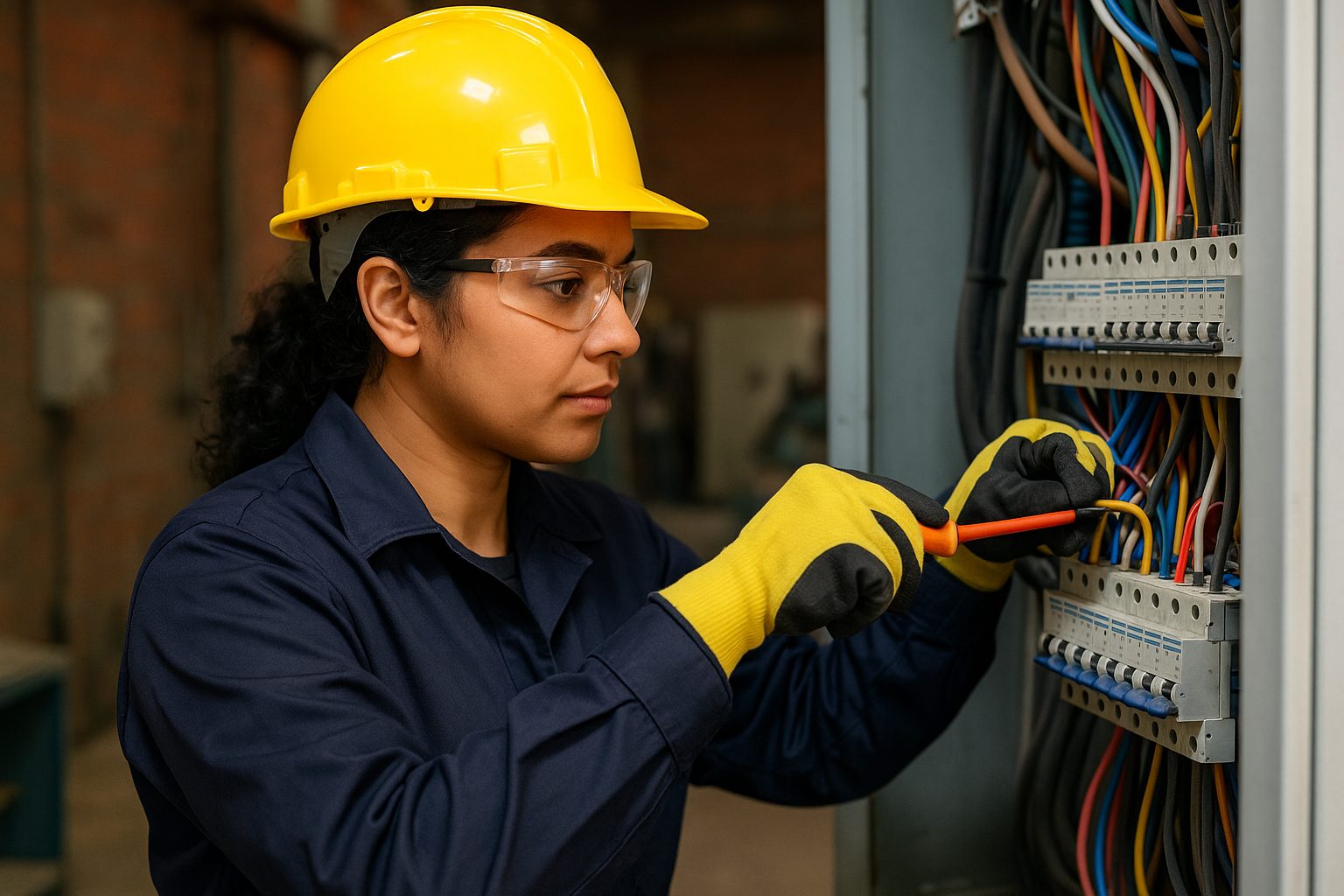
For decades, trade industries such as electrical work, plumbing, construction, HVAC, and other technical fields have been perceived as male-dominated professions. However, a major shift is happening across the world—and especially in regions facing skilled-labour shortages. More women are now entering the trades than ever before, and the industry is not only welcoming them, but actively seeking them.
From construction sites to electrical workshops, tradeswomen are rising as a powerful, skilled, and respected workforce. This transformation is not simply a matter of inclusion; it is a response to an urgent demand for talent in industries that keep our communities functioning.
In this article, we explore why the demand for tradeswomen is increasing, how training academies like Elec Training and www.elec.training are contributing to this change, and why more women should consider careers in the skilled trades.
A Growing Skills Shortage in the Trades
One of the biggest reasons tradeswomen are in demand is the global shortage of qualified workers in technical professions. Many experienced tradesmen are nearing retirement, while fewer young people are entering these industries. This has created gaps that employers are struggling to fill.
Countries worldwide have reported that thousands of positions remain vacant in fields such as:
- Electrical installation
- Plumbing and heating
- Carpentry
- Construction management
- Renewable energy systems
- Instrumentation and control
- Automotive and mechanical engineering
In response to this shortage, companies and training bodies are expanding their reach and encouraging more diversity in their talent pools—including women.
Women bring fresh perspectives, strong communication skills, attention to detail, and exceptional adaptability, making them valuable contributors in technical environments.
Breaking Stereotypes: Why Women Excel in Skilled Trades
Historically, the trades have been viewed as physically demanding, male-oriented careers. However, modern tools, advanced technology, automation, and safer workplace practices have changed the nature of the work significantly.
Many employers now recognize that women excel in various areas of the trade industries, such as:
1. Precision and Technical Accuracy
Tasks like wiring, fault-finding, measuring, diagnostics, and panel installation require careful attention to detail. Women often perform exceptionally well in these areas.
2. Strong Problem-Solving Abilities
Modern trades rely heavily on technical thinking and analytical problem-solving—areas where many tradeswomen thrive.
3. Professional Discipline
Studies show that women bring high levels of discipline and consistency to work environments, contributing to safer and more productive job sites.
4. Excellent Communication Skills
Trades today require interaction with clients, contractors, engineers, and inspectors. Women tend to excel in communication, making them effective team members and leaders.
As workplaces evolve, employers increasingly understand that skill, dedication, and mindset—not gender—define success in the trades.
Industry Leaders Encourage More Women to Join the Trades
Training organizations play a major role in reshaping the workforce. Institutions like Elec Training are at the forefront, encouraging women to pursue career opportunities in technical industries.
In a recent discussion about the rapid increase in tradeswomen across various training programs and job placements,
"Charanjit Mannu, Director at Elec Training, told"
that more women are showing interest, and the industry is actively responding by offering equal opportunities, supportive training environments, and career growth pathways.
This statement reflects a larger movement aimed at empowering women to confidently enter the workforce, gain valuable qualifications, and secure well-paid, stable careers.
Why the Demand for Tradeswomen Is Increasing
The rise in demand is backed by practical, economic, and cultural factors.
1. Employers Want More Diverse Teams
Companies with diverse teams often perform better. Trades industries are realizing that diversity improves teamwork, innovation, and customer trust.
2. Better Work Environment and Respect for Women
Workplaces are implementing stronger safety policies, anti-harassment standards, and inclusive cultures that support women’s success.
3. Government and Industry Initiatives
Many governments provide incentives, scholarships, and recruitment campaigns to increase women’s participation in technical fields.
4. Changing Career Priorities
More women are seeking stable jobs that offer good pay, long-term career growth, and independence. The trades offer all of these.
5. High Earning Potential
Skilled trades often pay better than many traditional jobs—especially as experience increases. Women in trades are discovering financial stability and empowerment.
How Elec Training and www.elec.training Are Supporting Tradeswomen
Training institutions such as Elec Training and their official website www.elec.training have become essential for women looking to start their journey in skilled trades.
Here’s how they help:
1. Providing Equal Access to Quality Training
Women receive the same high-level instruction as their male peers, with added encouragement to excel in practical environments.
2. Modern Facilities and Skilled Instructors
Training centers provide hands-on experience, updated technology, and instructors who guide women through every step of their qualification.
3. Supportive Learning Environment
A friendly, safe, and inclusive environment ensures women feel comfortable learning technical skills, no matter their background.
4. Job Placement Support
Many training academies help students connect with employers, giving tradeswomen a head start in finding apprenticeships and full-time careers.
5. Career Progression Opportunities
Women can advance into supervisory roles, management, engineering pathways, and business ownership through ongoing training.
Success Stories: Women Thriving in the Trades
Across the world, thousands of women are proving that the trades are not only possible—but deeply rewarding. Whether working as electricians, solar technicians, welders, HVAC specialists, or construction supervisors, tradeswomen are showing the next generation that the industry is open and full of opportunity.
Their stories highlight:
- Strong career stability
- High earnings
- Flexible working environments
- Leadership opportunities
- Respect and recognition in the field
These inspiring examples are encouraging even more women to follow the same path.
Why Women Should Consider Trade Careers Now
With skilled labour shortages rising, salaries increasing, and workplaces becoming more inclusive, there has never been a better time for women to enter the trades.
Some key benefits include:
- High Job Security — Skilled trades are always in demand.
- Excellent Pay — Trades often pay above average wages.
- Fast Entry — Many careers require shorter training periods than university degrees.
- Career Growth — Opportunities to advance or open your own business.
- Hands-On, Rewarding Work — Each project brings a sense of accomplishment.
The trades are not just jobs—they are meaningful, respected careers that build communities and shape the future.
Conclusion
The demand for tradeswomen is rising rapidly, driven by a global skills shortage, evolving workplace norms, and a growing appreciation for the unique strengths women bring to the trades.
Training institutions like Elec Training and platforms such as www.elec.training play a crucial role in empowering women, offering the guidance, skills, and confidence they need to succeed.
As "Charanjit Mannu, Director at Elec Training, told", this rise is not temporary—it represents the future of the workforce.
Women are stepping into the spotlight across technical industries, and the world is finally recognizing the immense value they bring. The question is no longer “Can women succeed in the trades?”—they already are.
The real question is: Are you ready to join them?